Musical making – like baking – starts with a recipe!
In our device-centered, easy-fix, fast-forward world, I often worry that we’re increasingly losing touch with the full experience of making something new from scratch. I’m not only talking about microwave meals and fast fashion, I’m referring to our entire outlook on everything from functional household objects like chairs, beds, and rugs to creative endeavors like books, toys, paintings and songs. If we can 3-D print everything from gadgets to sculptures, and my 8-year-old can produce a decent-looking bake-sale flyer with a few deft keyboard strokes in Canva, my concern is that we’re losing perspective on the process involved in making something, only focusing on the product. Click, click, click, done! Wasn’t that a little bit too easy!?
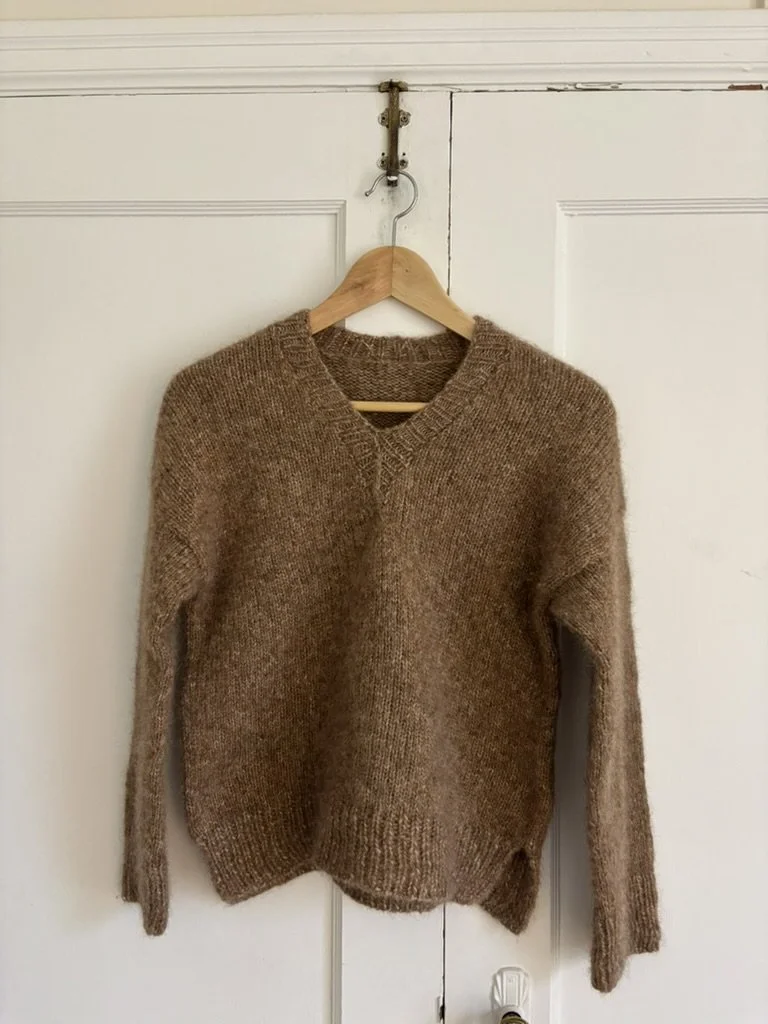
Sure, producing something from scratch can be time-consuming and daunting (ever tried learning to crochet? Knitting socks? Writing a novel?) – but isn’t that part of the fun? The ripping out, the starting again, the erasing and rewriting? I have never been prouder than when I knit my first sweater (“frogged” the neckline nine times. Not kidding). Angela Hewitt has never been prouder than winning a first prize for making olive oil. Such is the reward for giving existence to something that never quite existed in that exact form before. A feeling of having conquered the blank space and having tangibly shifted reality.
Just like staring at a blank Word document doesn’t produce a newsletter, and staring at wilting carrots and defrosted chicken doesn’t magically make it “become” dinner, the first step in making something out of (almost) nothing is starting with a framework. It can be a very prescriptive framework (Norwegian knitting) or a quite loosy-goosey one (Crockpot soups. Almost impossible to goof up.), but nothing makes taking the plunge more manageable than just beginning with Step 1 and moving on to Step 2.
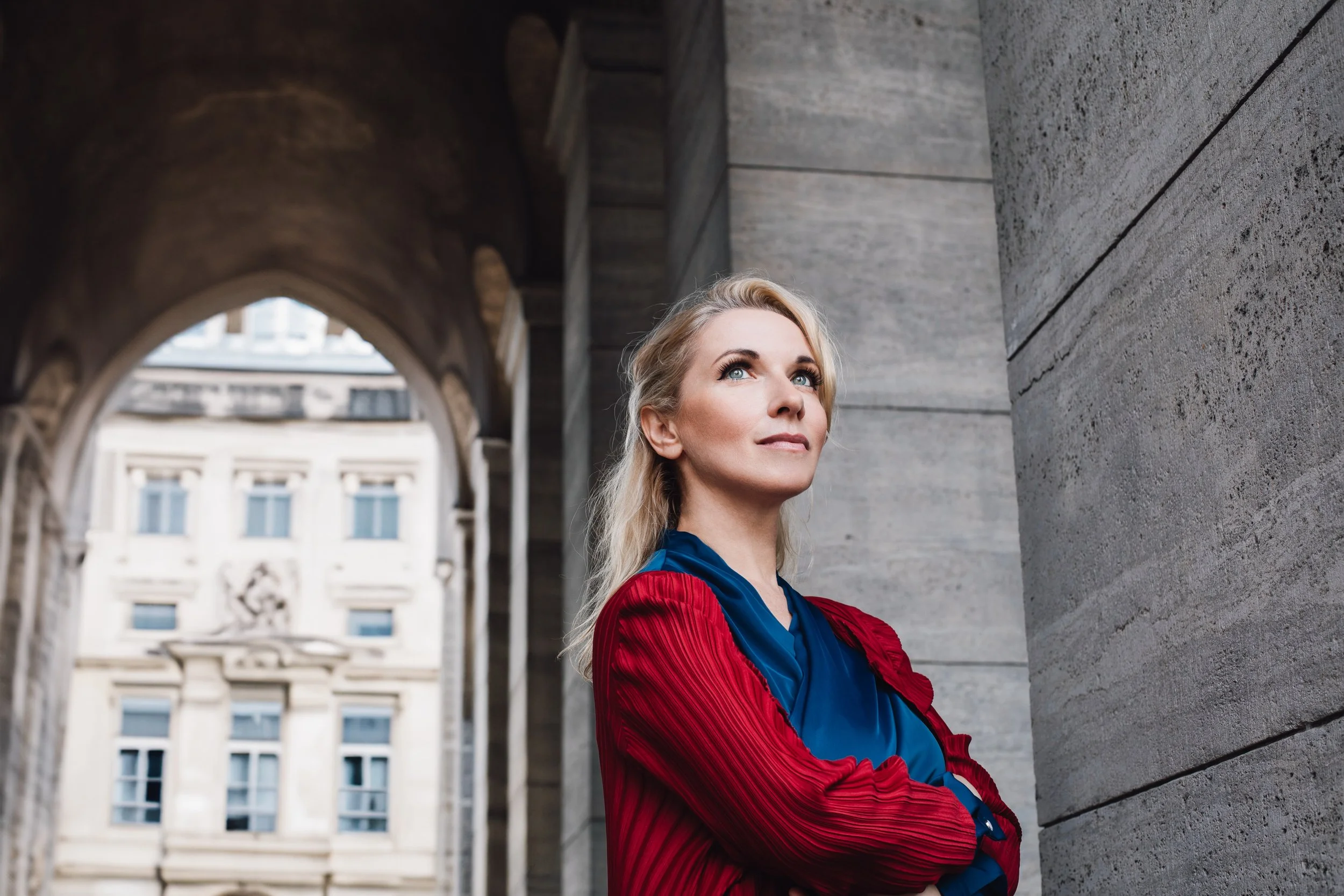
From a musical and compositional perspective, this is where the (maybe) daunting musicological concept of sonata-allegro form comes in. Thanks to Tamara Stefanovich’s program – consisting entirely of sonatas – we are thinking anew about this ancient structure, and re-attuning our ears to how something incredibly simple, over the course of centuries, has remained a vehicle for endless variety.
If you can sing Twinkle twinkle little star, or any pop song with a chorus, for that matter, you already know what basically underpins satisfactory musical progression: An idea, a contrasting idea, going back to the original idea (usually stirred up a little bit). That A-B-A backbone is sonata form at its most basic. That is how every composer, from Bach to Bartók, first learned to approach a blank piece of notation paper.
Composing a sonata may not be on your bucket list, nor playing a musical instrument at the highest professional level. But if you’re a fan of Portland Piano International, we know you’re a fan of listening. And just like knowing what to look for in an art museum, knowing what to listen for in a recital can make the difference between passively receiving and actively engaging. Why not make “reappreciate sonata form” a goal for 2026?
When Tamara Stefanovich takes the stage on Sunday, February 8th, be prepared for an auditory journey that pushes against constraints, toys with expectations, upends the model and yet ultimately reveres the recipe of all musical recipes. We’re looking forward to actively listening with you!