How a Pleyel grand, Big Al’s and Beethoven could cast a spell
Magic explained: Influencing the course of events by force of human goodness
Dear friends of PPI
The PPI family has always been tremendously generous, and over the past 48 seasons, this open-handed attitude has led to many truly great things. From regularly finding fine lodgings for our artists in the homes of loyal patrons, having the means and volunteer-power to elevate our Sunday afternoon gatherings with concessions and beautiful flowers on stage, to uplifting scores of teachers and students through our grant-funded Tholen program, we are no strangers to extraordinary philanthropy. Despite already existing on this high plane of human goodness, this past week’s experiences with Filippo Gorini felt akin to finding Narnia at the back of professor Kirke’s wardrobe, or Diagon Alley with Harry Potter. Thanks to your generosity – and his! – we’ve been privileged to perform magic, or, if you dislike fluffy metaphysical terms, bringing the most amazing goodness to seemingly impossible places.
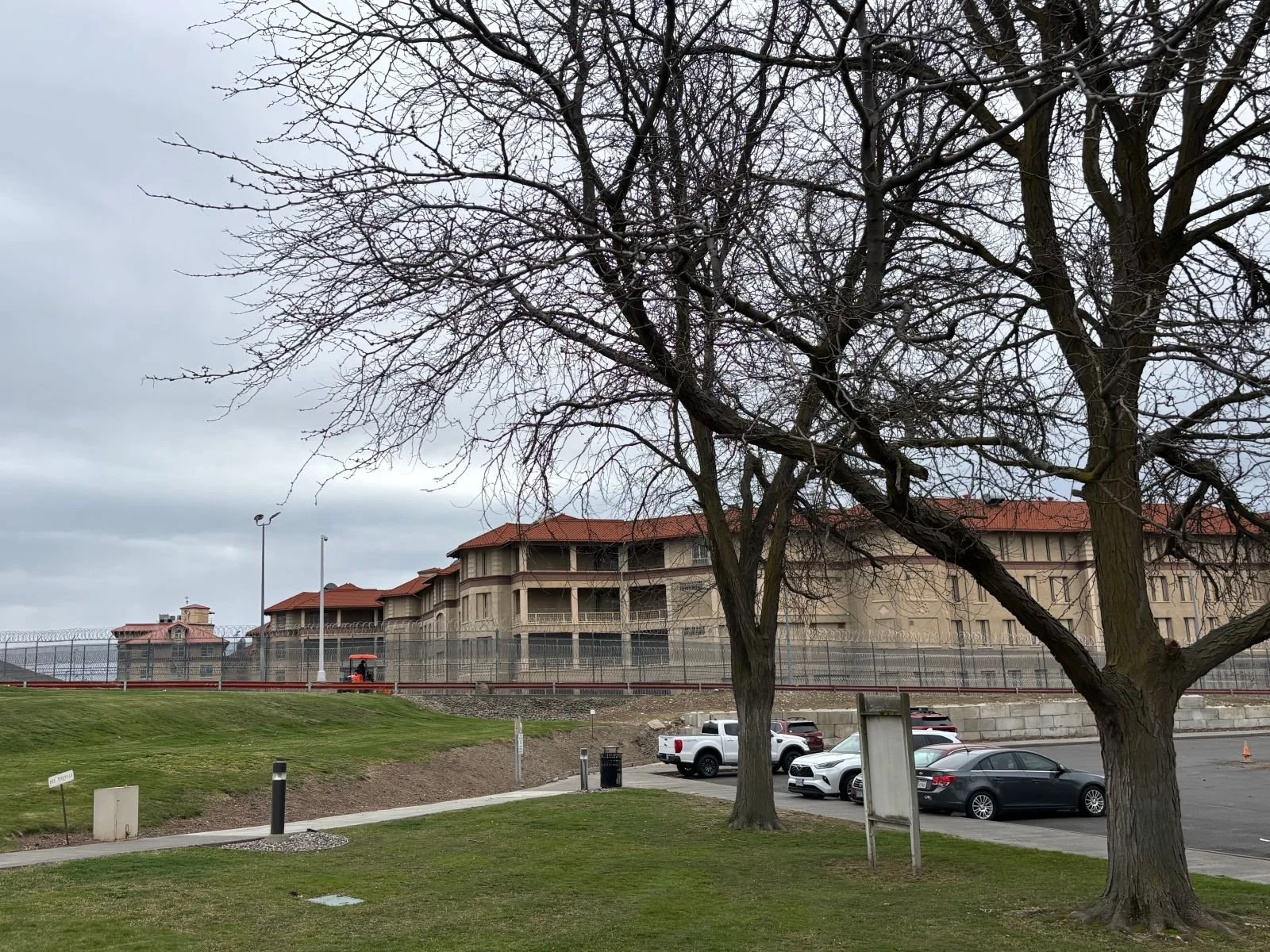
With support of the Pendleton Foundation Trust, the Pacific Power Foundation, the Italian Cultural Institute and a number of private donors, we took Filippo to Pendleton to perform a (sold out) performance at the Pendleton Center for the Arts, teach a full schedule of private lessons, address the Rotary Club and, most memorably and notably, play to the Adults In Custody (AICs) at the Eastern Oregon Correctional Institution.
The EOCI does not have a decent piano, nor have they ever hosted a pianist. They have some musical instruments and one dilapidated Wurlitzer upright on the premises, but a grand piano worthy of a solo recital? Not seen behind those imposing walls in the 43 years of the prison’s existence. Still, Filippo’s firm wish to play at a penitentiary was PPI’s command, and thus we set to work. Drawing on the availability of PPI’s own (recently gifted) Pleyel grand piano, the phenomenal crew at Big Al’s Specialty Movers, the unfathomable greatness of Beethoven and a veritable army of warmhearted Pendletonians, details started falling in place. We also joined forces with beloved professor emeritus of cello at PSU, Hamilton Cheifitz, for whom this would be a fourth visit to EOCI. Then followed months of administrivia [thank you, Bill Crane, for that fabulous word!]; ironing out logistics; itemizing the contents of trucks; agonizing over background checks for non-US residents.
Then, suddenly, there we were. I can’t describe those two hours at EOCI to you without grasping at clichés. Otherworldly. Transcendental. Sacred. Sitting among 120 incarcerated men (and one therapy dog), losing all sense of place and time, being communally transformed by the power of music felt like the most profound gift anyone could ever hope to receive, and I don’t think I’ll be exaggerating when I say: The impact of Filippo’s performance was momentous and everlasting! (And not only to the group at large – he also managed to teach a private lesson to an AIC who has been devotedly learning Chopin on that sad Wurlitzer for the past eight years.)
The earnestness of the men’s questions (“Where do you go inside yourself when you play? Which composer are you the most jealous of? Do you have advice for us, here at EOCI?”) and the heartfelt candor of Filippo’s answers will stay with us in everything we do, because, as he pointed out so poignantly: The music is where one can always find more meaning, more wisdom, more solace. And whether that music is performed to the highest paying, most distinguished audience at a world-renowned concert hall, or to a group of AICs in a bare, echoing prison gym shouldn’t make an iota of difference to how one performs. True art should be an infinite gift for everyone.
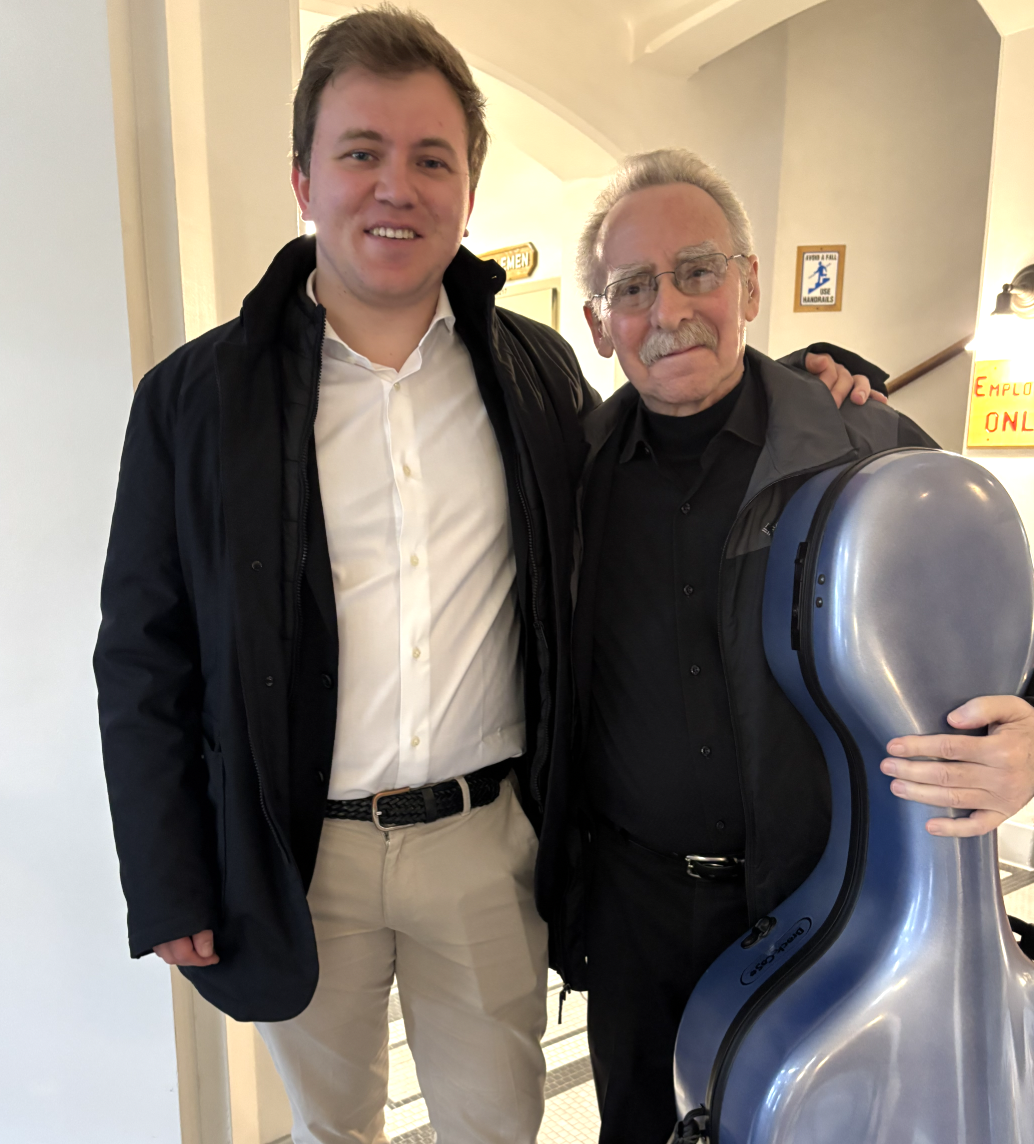
We couldn’t take you to EOCI with us to experience those exact moments, friends, but we can assure you that we were stewarding your goodness. Also, the program you’ll hear at Lincoln Hall this coming Sunday will be close to exactly the same ones Filippo played in Pendleton, with the addition of the premiere of Michelle Agnes Magalhaes’s Portland Sonata. If you don’t have your tickets yet, you may still be lucky enough to get one of the remaining seats.
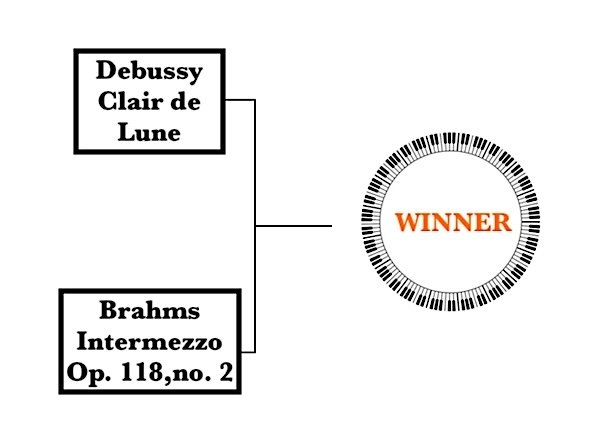
We’re entered the final stretch of March Madness! Will it be Clair de Lune or BrahmsOp. 118 no. 2? Vote now to ensure that your favorite is played on Piano Day!
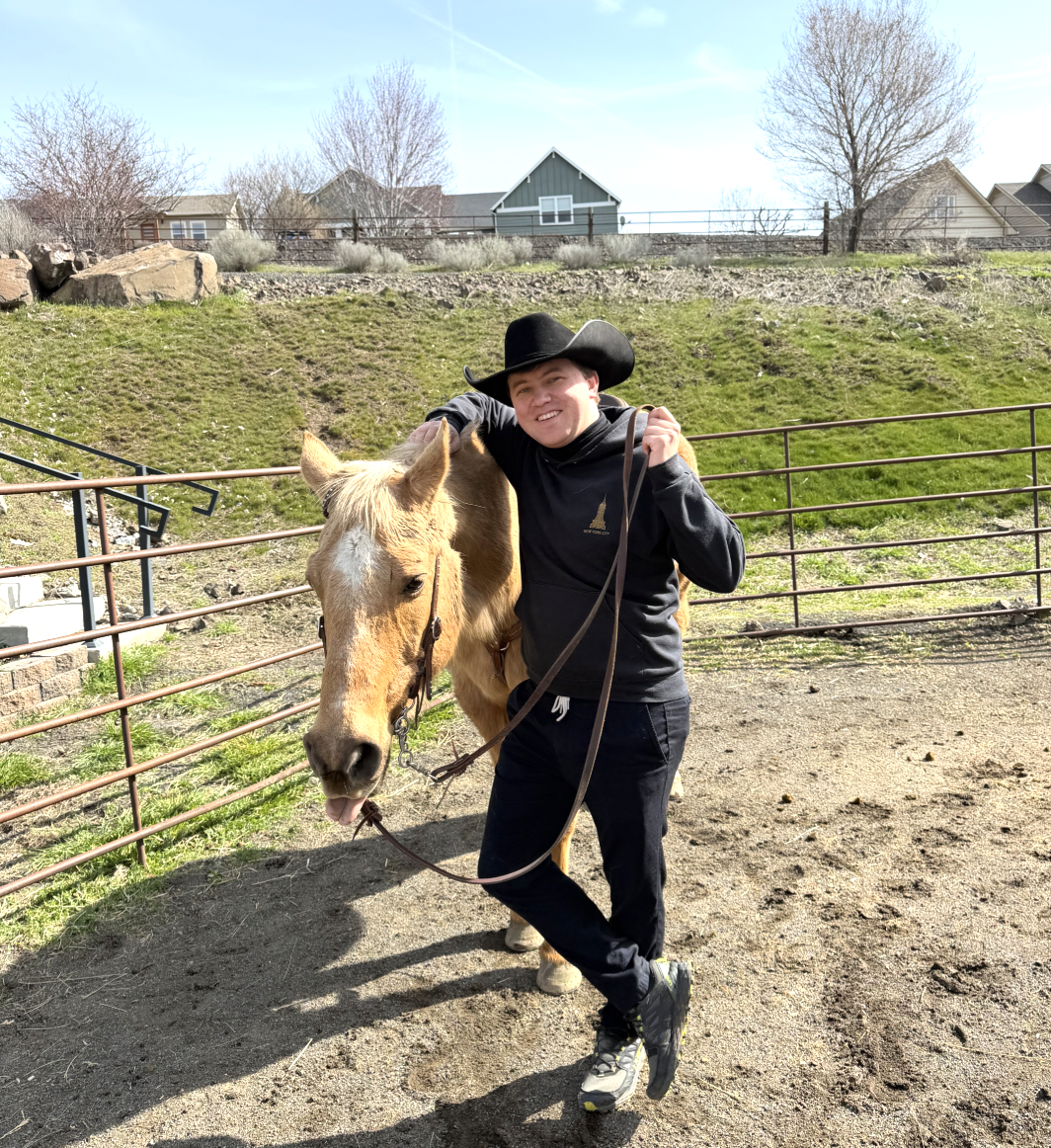
PS: If we seem preoccupied with intensely emotional, touchy-feely stuff – some proof that we’re also really fun and lighthearted from time to time. Don’t you think Filippo makes a mighty fine cowboy? (A special thank you to Darcey Ridgway and Casey Corrin for many days’ lodging, complete with a Steinway, a hat and a horse!)